 Technique
Why we teach the anchor before the ascent
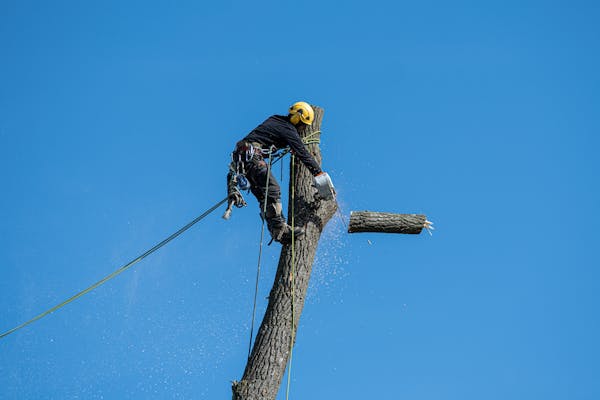
A climber who can ascend but cannot judge an anchor is a climber with one good day between them and an incident.
24 February 2026Hands-on climbing, rigging and aerial rescue training for working tree crews. Six courses, small groups, live stems on our own ground outside Asheville.
See the coursesCROWNRIG trains climbers who already work in trees and climbers who are about to start. Every course runs outdoors on live stems, in groups small enough that the instructor watches every ascent. Nobody learns to climb from a slide deck, and we do not pretend otherwise.
We have run climbing training from the same fourteen-acre site on the French Broad river since 2011. The ground holds twenty-two training stems — oak, poplar, pine and a stand of dead-topped stems kept specifically for rescue scenarios.
Five instructors, all of whom still climb commercially. That is deliberate: an instructor who has not been on a rope for a season teaches the industry that existed when they left it.
Learn more
Seats shown below. Seats update as bookings are confirmed — call if a course shows full and you need it, because cancellations are common four weeks out.
| Course | Dates | Location | Cap | Seats |
|---|---|---|---|---|
| Basic Tree Climbing | 6–10 April 2026 | Riverbend ground | 8 | 2 seats |
| Aerial Rescue | 16–17 April 2026 | Riverbend ground | 8 | 3 seats |
| Chainsaw Operations Aloft | 4–6 May 2026 | Riverbend ground | 6 | Full |
| Advanced Rigging | 18–21 May 2026 | Sandy Mush stems | 6 | 4 seats |
If you have five seasons in the canopy and you find yourself coaching the new climber on your crew anyway, the July instructor block is the formal version of what you are already doing.
Instructor development
Technique
A climber who can ascend but cannot judge an anchor is a climber with one good day between them and an incident.
24 February 2026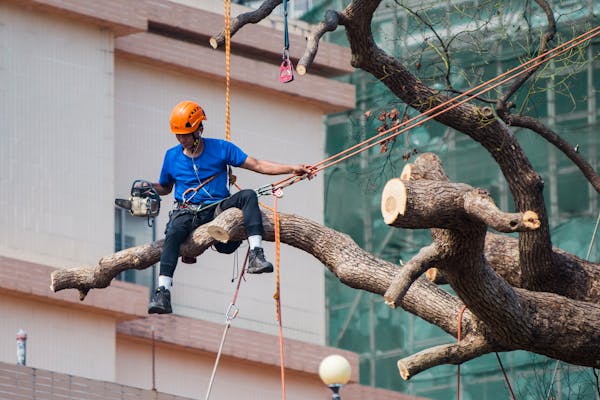 Safety
The person on the ground decides how the rescue goes. Most crews have never practiced that half.
11 January 2026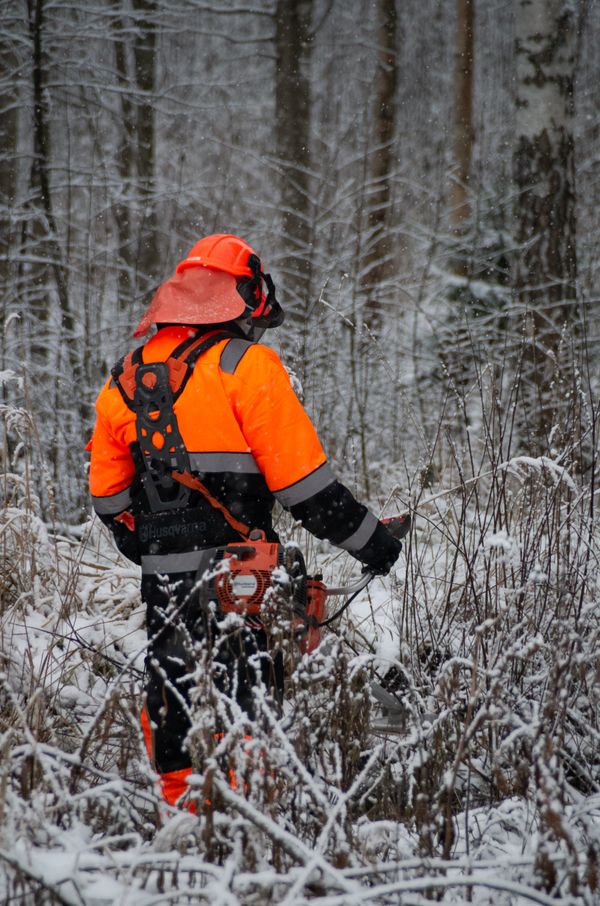 Rigging
Three field methods, their error margins, and when each of them stops being conservative.
3 November 2025 Instruction
Failing a candidate badly costs them money. Failing them well costs them a fortnight and buys them a career.
19 September 2025For the basic course, no. The school supplies rope, saddle, helmet and hardware for the week so that candidates are not learning on equipment they have not been fitted for. From the advanced blocks onward we ask you to work on your own kit, because that is what you will be using on Monday morning.
There is no formal test, but the basic course involves five consecutive days of ascent work. Candidates who can climb a 40-foot stem twice in a morning without stopping will have a productive week. Candidates who cannot will spend the week exhausted and learn less.
No, and we are careful about this. We deliver training and, where the awarding body permits, host the assessment. The credential is issued by the awarding body against their criteria. Any school that tells you its own certificate is the qualification is selling you a piece of paper.
You get a written record of exactly which criteria were not met and a recommended remediation plan. Reassessment on the failed elements is charged at half the day rate, and roughly one candidate in six takes it. Failing is not unusual and it is not the end of the process.